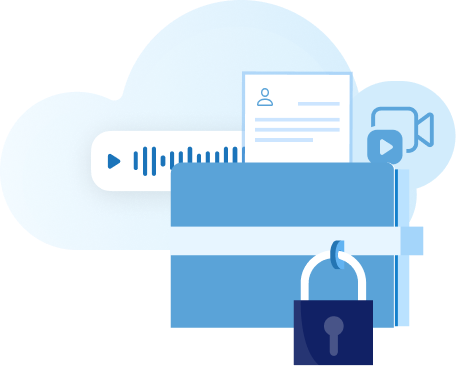
Set flexible communication policies, block interaction between restricted users with total granularity for communication types. (chat, file sharing, screen sharing etc.)
Choose your service:
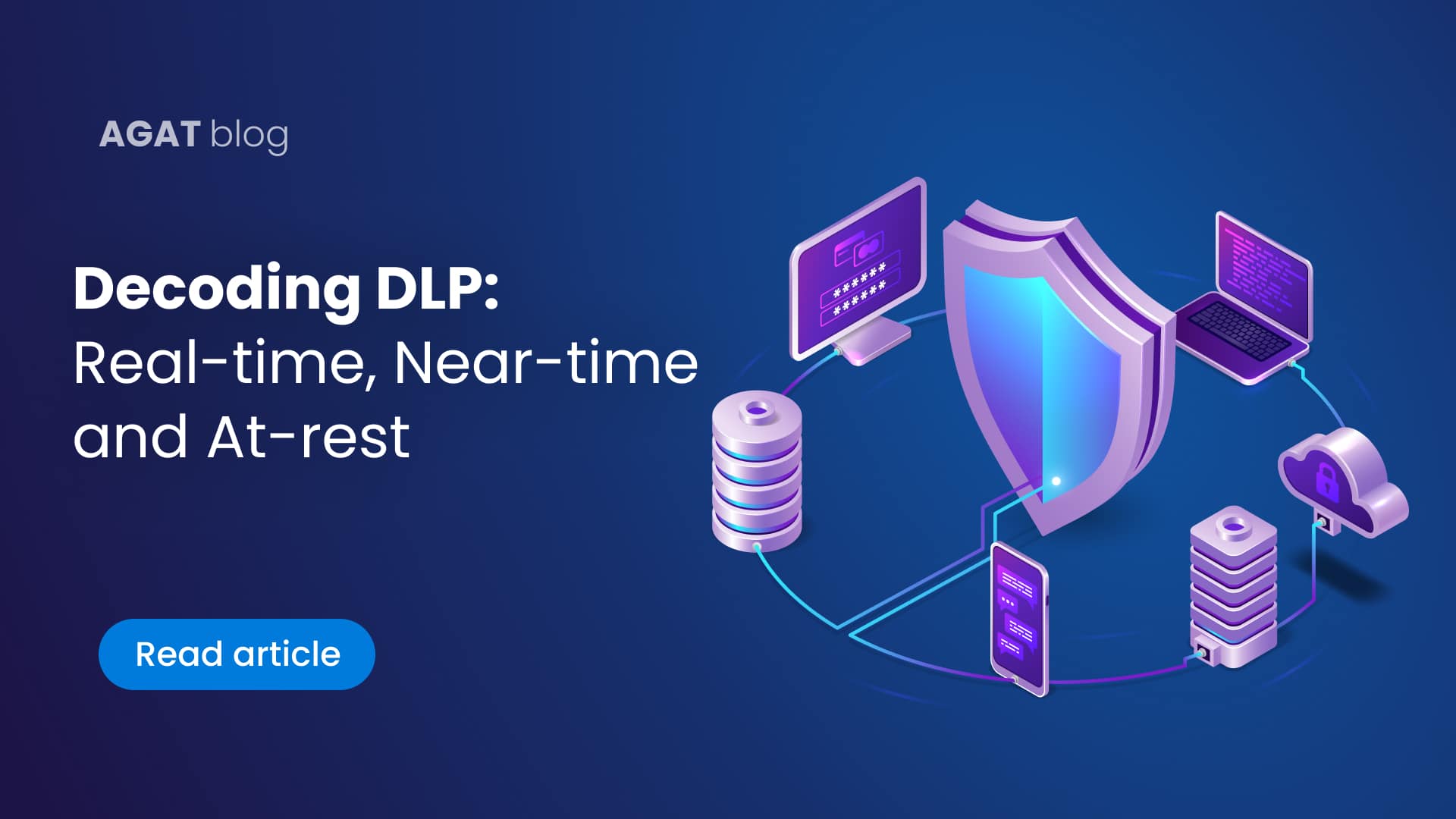
Real Time DLP
Real-Time inspection of content. Block sensitive data before it reaches the cloud and destination user. Review conversation context with eDiscovery.
Choose your service:
Archive & eDiscovery
Archive your data safely in the cloud or on site and search for any communication by several parameters such as user, date, channel or text.
Choose your service:
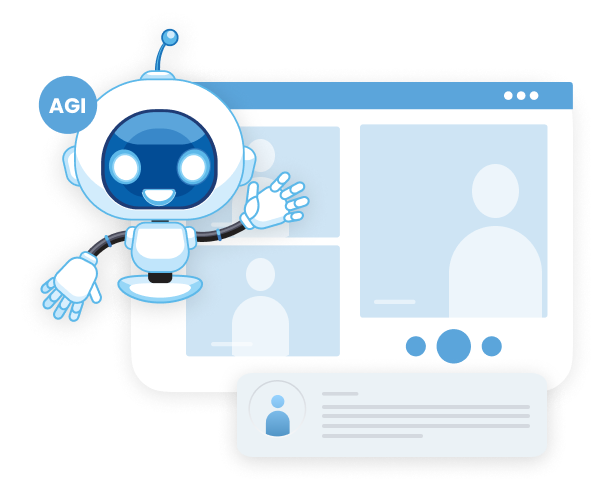
Recording AI Compliance Analysis
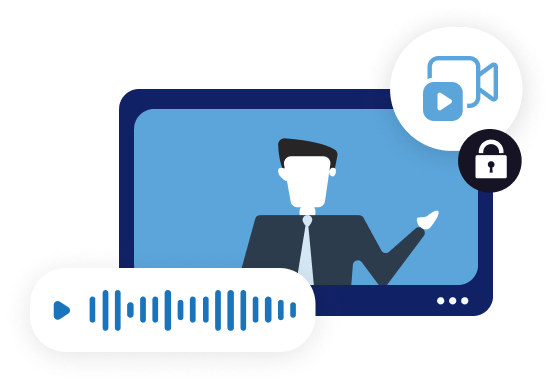
Record meetings, search them and analyze them using video and audio transcript. Apply DLP policies.
Set flexible communication policies, block interaction between restricted users with total granularity for communication types. (chat, file sharing, screen sharing etc.)
Choose your service:
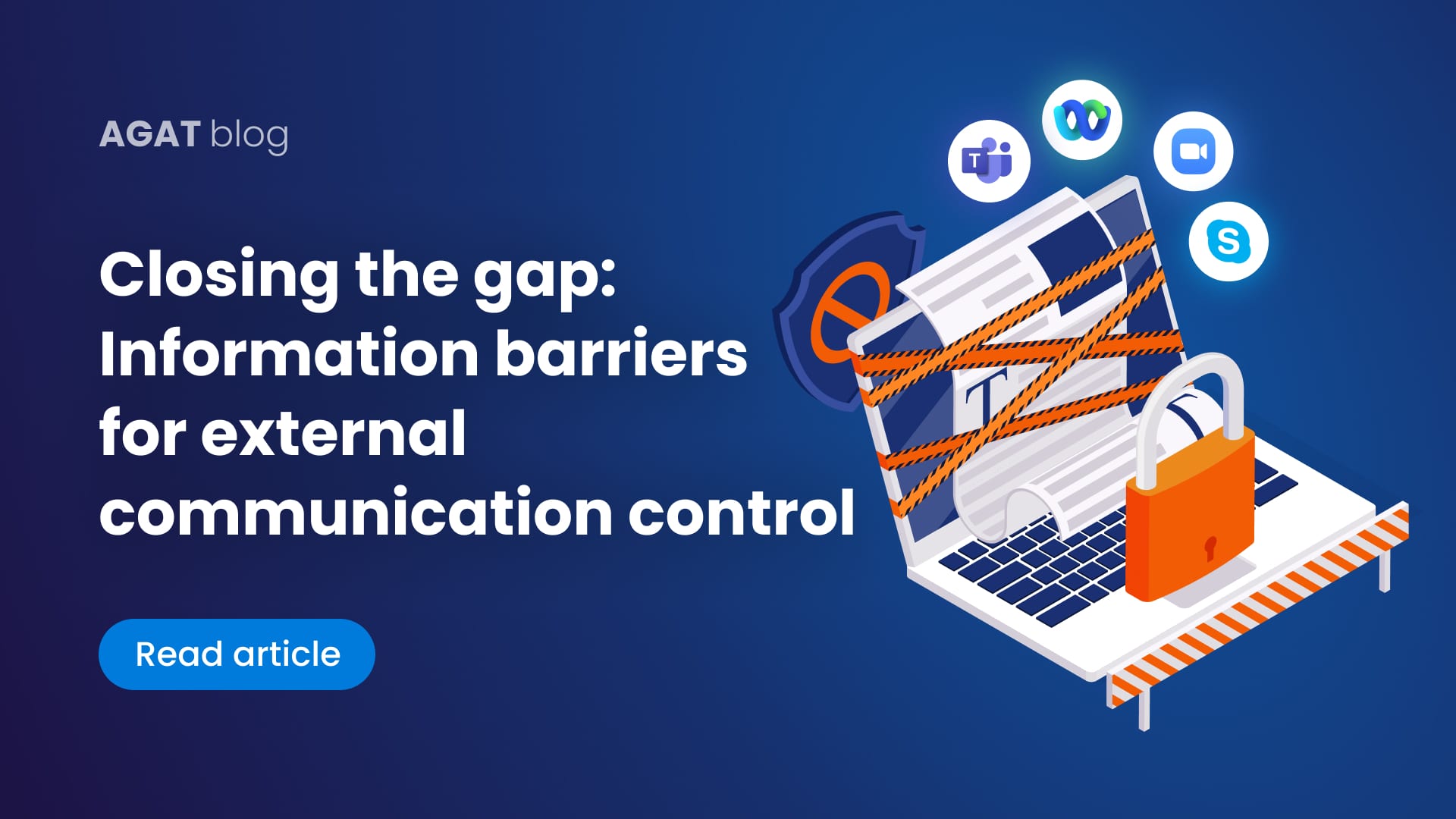
Ethical Wall
Set flexible communication policies, block interaction between restricted users with total granularity for communication types. (chat, file sharing, screen sharing etc.)
Choose your service:
Real Time DLP
Real-Time inspection of content. Block sensitive data before it reaches the cloud and destination user. Review conversation context with eDiscovery.
Choose your service:
Archive & eDiscovery
Archive your data safely in the cloud or on site and search for any communication by several parameters such as user, date, channel or text.
Choose your service:
Recording AI Compliance Analysis
Record meetings, search them and analyze them using video and audio transcript. Apply DLP policies.
Choose your service:
Recording AI Compliance Analysis
Record meetings, search them and analyze them using video and audio transcript. Apply DLP policies.
Choose your service:
Recording AI Compliance Analysis
Record meetings, search them and analyze them using video and audio transcript. Apply DLP policies.
Set flexible communication policies, block interaction between restricted users with total granularity for communication types. (chat, file sharing, screen sharing etc.)
Set flexible communication policies, block interaction between restricted users with total granularity for communication types. (chat, file sharing, screen sharing etc.)
AGI helps improve collaboration by detecting meeting and chat insights to automatically generate items such as tasks, meeting notes, summaries, and minutes.
Companies invest significant effort and resources in DLP systems covering the main content channels such as email and Web services. At the same time, however, most of them fail to cover data going through unified communication (UC) channels such as Skype for Business.
Preventing data leaks from going through Skype for Business is a challenging undertaking because of the variety of mobile, web and desktop clients that Skype for Business services, and because of the SIP protocol in use by the clients.
SkypeShield’s new DLP solution is based on a content inspection module with an adapter that is able to send the content via ICAP (Internet Content Adaptation Protocol) to a DLP provider. The adapter can be configured to work with DLP commercial vendors such as Symantec DLP or Websense Triton or any standard DLP vendor that supports ICAP.
In addition, SkypeShield offers a built-in DLP engine for customers that do not have an existing DLP commercial solution in place.
The DLP module modifies messages according to an incident response from the DLP provider. This includes blocking the content, masking sensitive sections, sending an Instant messaging (IM) warning notification to the sender, or just monitoring and alerting.
 Skip to the content